MSI Claw A8: What Nine Reviews Actually Concluded, and What It Really Costs
We compared nine published MSI Claw A8 reviews, its full launch price history across five regions, and its benchmarks against the Intel Claw 8 AI+.
- Nine published reviews agree on the hardware and disagree on almost nothing else: the price is the problem
- Reviewers split on the speed gain over the Z1 Extreme — 15–20% by some measures, 20–30% by others, with the gap explained by power profile
- The A8 beats MSI's own Intel Claw 8 AI+ in real games at 17 W, but loses to it in 3DMark Time Spy
- It carries 8 GB less RAM than the Intel model and Notebookcheck rated its ergonomics weaker
- US buyers waited roughly six months longer than Europe and paid $1,149 — against €999 in Germany and £850 in the UK
- The 80 Wh battery is the standout: around 9.5 hours on indie titles at 6 W
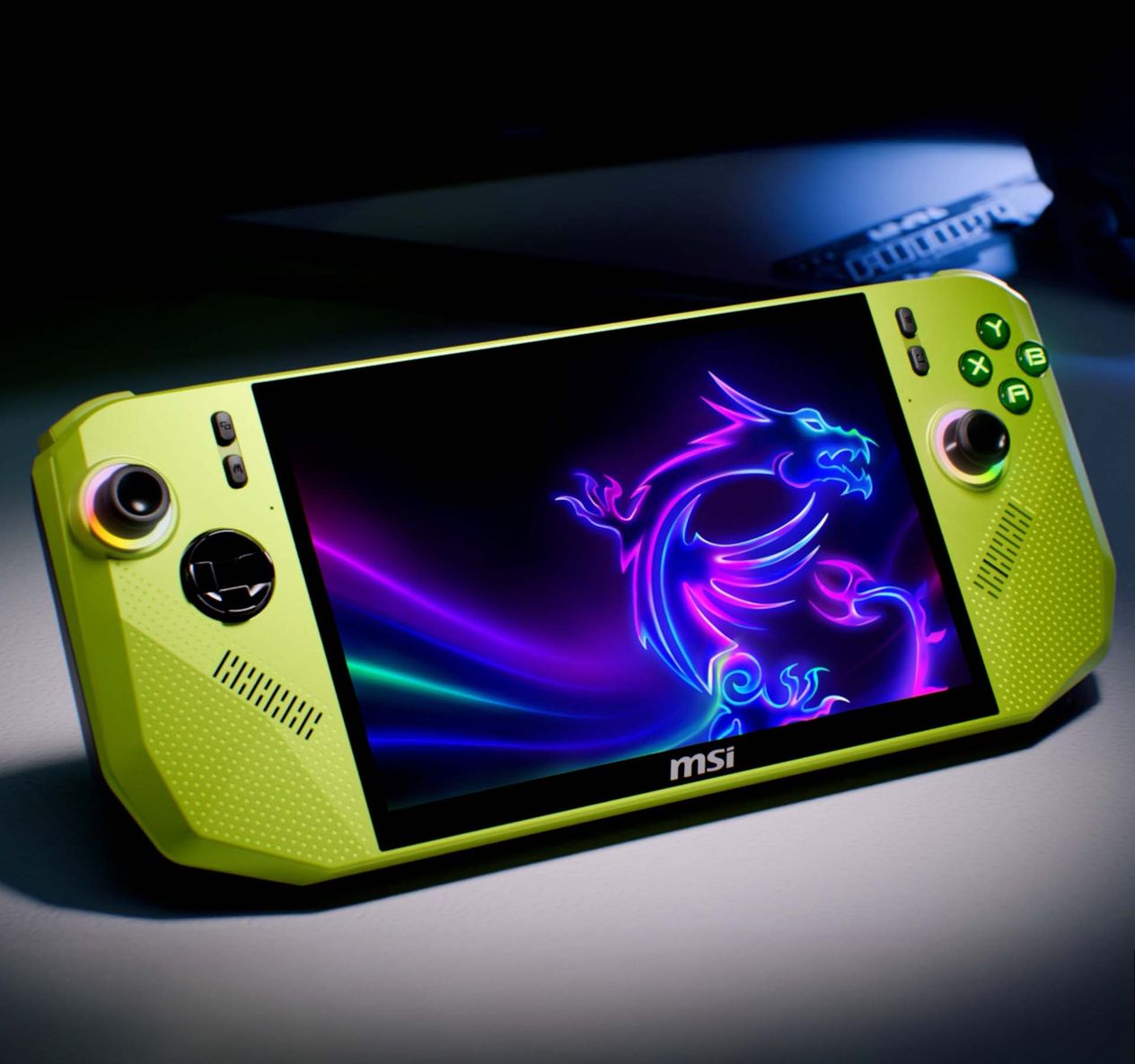
The MSI Claw A8 is the first handheld to ship with AMD's Ryzen Z2 Extreme, and the first MSI Claw to use an AMD chip at all. It has also had one of the strangest rollouts in the category — on sale in China from mid-2025, in Germany weeks later, and not on US shelves until early 2026 at a price roughly 50% above its original Chinese subsidised cost.
Reviews of it are scattered across a dozen outlets, published over ten months, in four currencies, at four different prices. Nobody has put them in one place.
So we did. Below is every published verdict we could find, sorted side by side, plus the full regional price history and the benchmark numbers against MSI's own Intel model. We have not tested this device ourselves — this is a synthesis of the people who did, with every source named.
MSI Claw A8 Specs
| Component | MSI Claw A8 (BZ2EM) |
|---|---|
| APU | AMD Ryzen Z2 Extreme (Zen 5, 8 cores / 16 threads) |
| Graphics | Radeon 890M, RDNA 3.5, 16 compute units |
| RAM | 24 GB LPDDR5X-8000 (8 GB reserved as VRAM by default, adjustable) |
| Storage | 1 TB M.2 NVMe SSD, user-replaceable |
| Display | 8-inch 1920×1200 IPS, 120 Hz, VRR, 16:10, around 500–515 nits measured |
| Battery | 80 Wh |
| Weight | 765 g |
| Controls | Hall-effect sticks, rear macro buttons, backlit ABXY, RGB |
| Wireless | Wi-Fi 7 |
| OS | Windows 11 |
Every Published Review, Compared
Nine outlets, ten months, one table.
| Outlet | Date | Verdict | Main praise | Main criticism |
|---|---|---|---|---|
| Tom's Guide | Oct 2025 | Powerful, but for enthusiasts only — wait and see | Z2 Extreme performance, ergonomics, screen, speakers, battery | Price; Windows 11 on a touchscreen |
| Notebookcheck | 2025 | The AMD version is the worse choice overall | Performance, 120 Hz VRR panel, long battery, speakers, replaceable SSD | 8 GB less RAM than the Intel model at the same price; weaker ergonomics; no webcam; idle fan spin-up |
| Trusted Reviews | Oct 2025 | Powerful but not the ultimate handheld of 2025 | Z2 Extreme, 8-inch screen, comfortable in hand, decent battery | Clunky Windows 11; high price |
| Club386 | Dec 2025 | Powerful, premium, attractive | Hall-effect sticks and the 16:10 panel set it apart | Priced at £850 in the UK with no US date at the time |
| Retro Handhelds | Apr 2026 | Pretty great, with one major flaw | Larger screen is the right call; backlit ABXY buttons | Hand discomfort during long sessions |
| HandheldBase | Nov 2025 | AMD nailed the chip, MSI got the price wrong | 20–30% gains over Z1 Extreme; distinctive design; good grip | Price; 765 g is heavier than the ROG Ally X |
| TechRadar (hands-on) | Aug 2025 | Underwhelming first impression | Design; fast, detailed screen | Performance felt like a small upgrade; expensive |
| ETA Prime | Jul 2025 | Good first handheld, weak upgrade | RDNA 3.5, larger battery, better efficiency | Only 15–20% over Z1 Extreme |
| Geeky Gadgets | Jul 2025 | Modest upgrade | Strong spec sheet for first-time buyers | 15–20% gains; limited Linux compatibility |
The Disagreement Worth Noticing
Reviewers do not agree on how much faster the Z2 Extreme actually is. Tom's Guide and HandheldBase both report gains in the 20–30% range over the Z1 Extreme, with the larger figure appearing at the highest 33 W power profile. ETA Prime and Geeky Gadgets put it at 15–20%.
The gap is explained by power profile. At maximum TDP the Z2 Extreme pulls ahead; at the settings most people actually use, the advantage narrows. Anyone quoting a single percentage figure without naming the wattage is not telling you enough.
The second point of consensus is stronger and less flattering: almost every outlet flagged the price, and the two that liked the hardware most were the two that complained hardest about what MSI charges for it.
💡 Comparisons like this one, without the affiliate spin. Daybreak is a short weekly brief on the tech actually worth your money. Subscribe to Daybreak for free →
Benchmarks: A8 vs Claw 8 AI+ vs ROG Ally X

These figures come from Tom's Guide, which is the only outlet we found that tested all three devices on the same bench.
| Test | Claw A8 (Z2 Extreme) | Claw 8 AI+ (Ultra 7 258V) | ROG Ally X (Z1 Extreme) |
|---|---|---|---|
| 3DMark Fire Strike | 8,358 | 8,113 | 6,849 |
| 3DMark Time Spy | 3,638 | 3,963 | 2,926 |
| Cyberpunk 2077, 1080p high, 17 W | 16.27 FPS | 14.62 FPS | 9.28 FPS |
| GTA V, 720p high, 17 W | 65.12 FPS | 60.75 FPS | — |
The result is genuinely split. The A8 wins Fire Strike and both game tests, and loses Time Spy to the Intel model. Against the older ROG Ally X the margin is large and consistent.
What that means in practice: the A8 is faster than MSI's Intel handheld in real games at a realistic 17 W power setting, but not by the margin the Time Spy figure would suggest, and not by enough to settle the decision on performance alone.
Battery Life and Thermals
Measured by ETA Prime. The 80 Wh pack is the largest in MSI's handheld line and it shows.
| Workload | Runtime | Temperature range |
|---|---|---|
| Indie titles at 6 W | About 9 hours 30 minutes | Around 55 °C at 6–12 W |
| AAA titles at 17 W | About 3 hours 15 minutes | Around 68 °C at 17–25 W |
| AAA titles at 25 W | About 2 hours 15 minutes | Up to 83 °C at 35 W and above |
No thermal throttling was reported under typical use even at the top of that range. Battery life is the A8's clearest win over the first-generation Claw, which shipped with a 53 Wh pack.
Price History: Five Regions, Ten Months
This is the part that explains why US buyers feel the price is high. It launched cheaper almost everywhere else, and later.
| Region | Date | Launch price | Notes |
|---|---|---|---|
| China | July 2025 | 6,999 RMB (5,949 subsidised) | Subsidised figure works out around $737 — a 15% government subsidy applied to handhelds |
| Europe (pre-order) | 21 July 2025 | — | Pre-orders opened outside China roughly two weeks after Chinese retail |
| Germany | 4–10 Aug 2025 | €999 | Roughly $1,173 converted at the time |
| Australia | Sept 2025 (reported) | AU$1,749 | Reported by Press Start; converts to over $1,100 |
| United Kingdom | Oct 2025 | £850 | First stocked at Very; Club386 quoted £850 in December |
| United States | Early 2026 | $1,149 | MSI US store, SKU BZ2EM-070US; ExcaliberPC listed $1,099 promotional |
Two things stand out. The US waited roughly six months longer than Europe for a device MSI was promoting globally the entire time, and MSI has never publicly explained why. This is not new behaviour — every Claw has launched in Asia first.
The second is that $1,149 places the A8 among the most expensive consumer handhelds on sale, competing against the Legion Go 2 and ROG Xbox Ally X on identical silicon, both of which reached US retail months earlier.
A8 or Claw 8 AI+?
This is the decision most buyers are actually making, since both are 8-inch MSI handhelds with the same 1920×1200 120 Hz VRR panel and the same 80 Wh battery. Our Claw 8 AI+ review roundup covers the Intel model in full.
| Claw A8 | Claw 8 AI+ | |
|---|---|---|
| Chip | Ryzen Z2 Extreme | Core Ultra 7 258V (Lunar Lake) |
| Graphics | Radeon 890M | Intel Arc 140V |
| RAM | 24 GB | 32 GB |
| Real-game speed at 17 W | Faster | Slower |
| 3DMark Time Spy | Lower | Higher |
| Ergonomics | Rated weaker by Notebookcheck | Rated better |
| Graphics driver maturity | Mature AMD stack | Newer Intel Arc stack |
| US launch price | $1,149 | $899 |
- Faster than MSI's Intel Claw 8 AI+ in real games at a realistic 17 W power setting
- 80 Wh battery delivers around 9.5 hours on indie titles and over 3 hours on AAA at 17 W
- 8-inch 1920×1200 120 Hz VRR panel at 16:10, measured around 500–515 nits
- Hall-effect sticks, backlit ABXY, and a user-replaceable M.2 SSD
- AMD's handheld graphics driver stack is more mature than Intel Arc's
- No thermal throttling reported even at 35 W and above
- 8 GB less RAM than the Intel Claw 8 AI+ at a higher US launch price
- Notebookcheck rated the ergonomics weaker than the Intel model — more angular case, smaller shoulder buttons and triggers
- Loses to the Claw 8 AI+ in 3DMark Time Spy despite winning the game tests
- 765 g is heavier than the ROG Ally X, and reviewers reported hand discomfort in long sessions
- No webcam, awkward power profiles, and fans that spin up at idle
- Reached US retail roughly six months after Europe, at a higher price than any other region
The launch price gap is the thing to check on the day you buy. The Claw 8 AI+ arrived at $899 and has since been listed considerably higher as memory prices have risen across the category. If both are sitting at the same number when you look, the Intel model gives you 8 GB more RAM and the better-rated chassis for the same money — which is precisely why Notebookcheck concluded the AMD version was the weaker choice.
The A8's case rests on AMD's more mature graphics driver stack and its faster real-game numbers at moderate power. Both are real advantages. Neither is worth a price premium.
Frequently Asked Questions
How much does the MSI Claw A8 cost?
$1,149 on MSI's US store, with promotional listings around $1,099. It launched at €999 in Germany, £850 in the UK, and 6,999 RMB in China.
Is the MSI Claw A8 faster than the Claw 8 AI+?
In real games at 17 W, yes — Tom's Guide measured higher frame rates in both Cyberpunk 2077 and GTA V. It scores lower in 3DMark Time Spy, however.
How long does the Claw A8 battery last?
Roughly nine and a half hours on light indie titles at 6 W, about three hours fifteen minutes on AAA games at 17 W, and around two hours fifteen at 25 W.
How much faster is the Ryzen Z2 Extreme than the Z1 Extreme?
Reviewers disagree. Estimates run from 15–20% to 20–30%, with the higher figures measured at the maximum 33 W power profile.
Why did the Claw A8 take so long to reach the US?
MSI has not said. It went on sale in China in July 2025 and did not reach US retail until early 2026, following the same Asia-first pattern as previous Claw models.
Is the Claw A8 worth buying?
Only if you find it below the Intel Claw 8 AI+. At equal prices the Intel model offers more RAM and better-rated ergonomics.
The Verdict Across Nine Reviews
The consensus is unusually clear for a handheld. The hardware is good — strong chip, excellent battery, a genuinely nice 16:10 panel, hall-effect sticks. The complaint is almost unanimous and it is about price.
Buy the Claw A8 if you find it discounted below MSI's Intel model, if you want AMD's mature graphics drivers, or if the faster real-game performance at moderate power settings matters to you specifically.
Buy something else if the two MSI handhelds are priced the same — in which case take the Intel one — or if you want the same Z2 Extreme chip with a longer US availability track record, which the Legion Go 2 and ROG Xbox Ally X both have.
For more on MSI's handheld line, see our comparison of the Claw 8 EX AI+ against the ROG Xbox Ally X, and our look at whether the original Claw A1M is still worth buying in 2026.
Sources: Tom's Guide, Notebookcheck, Trusted Reviews, Club386, Retro Handhelds, HandheldBase, TechRadar, ETA Prime, Geeky Gadgets, VideoCardz, ThinkComputers. Prices and availability accurate as of August 2026 — handheld pricing is volatile, confirm before buying.