Samsung Galaxy Z Fold 8 Released Today: New Shape, Crease-Free Display, and the Biggest Battery Upgrade in Five Years
Samsung took the stage in London today at Galaxy Unpacked 2026 and officially unveiled the Galaxy Z Fold 8, Z Fold 8 Ultra, Z Flip 8, Galaxy Watch 9, Watch Ultra 2, and a preview of Galaxy Glasses. Here is everything confirmed, announced, and priced.
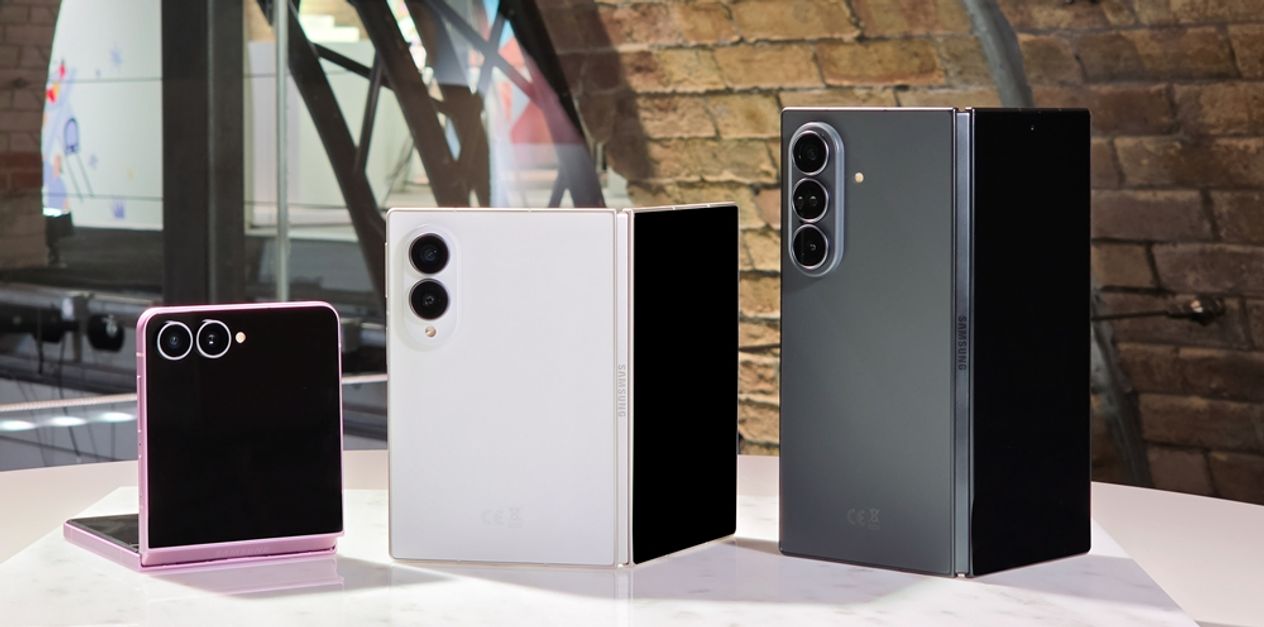
- Galaxy Z Fold 8 (Wide): Shorter, wider passport-style foldable with 5.5” cover, 7.6” inner display (4:3), 4,800mAh battery, Snapdragon 8 Elite Gen 5, starts at ~$1,899–$1,999
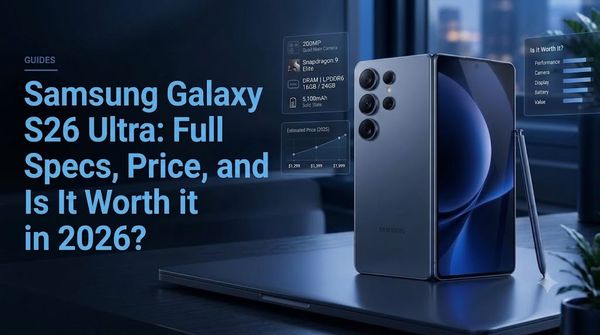
- Galaxy Z Fold 8 Ultra: Successor to Z Fold 7 with taller book design, 200MP main camera, 5,000mAh battery (first Z Fold ever with silicon-carbon content), 5% Si-C anode, ~$2,099–$2,199
- Crease-free display: New Flex Titanium hinge technology significantly reduces the centre crease — the Z Fold line’s biggest complaint since 2019
- Galaxy Z Flip 8: New Snapdragon 8 Elite Gen 5, largely same form factor, improved cover screen app support
- Galaxy Watch 9: Snapdragon Wear Elite, all-new BioActive sensor, blood pressure trends replacing vascular load, Galaxy AI health insight
- Galaxy Watch Ultra 2: 5,000-nit display (67% brighter), 800mAh battery (up 36% from 590mAh), IP69K water resistance rating
- Galaxy Glasses (Jinju): First confirmed preview — audio-first, no display, $379–$499 expected, 12MP camera, bone conduction audio, Gemini AI built in
- Pre-orders open today; devices ship around August 5–8
Samsung chose London for its biggest hardware announcement in years — the first Galaxy Unpacked held in the UK in 14 years — and it did not hold back. Galaxy Unpacked 2026 delivered three distinct new foldables, an upgraded watch line, and the first real look at Samsung’s Galaxy Glasses. The headline device, the Galaxy Z Fold 8, is the most significant rethinking of the Fold form factor since Samsung launched the category in 2019. It is shorter, wider, and explicitly designed to go head-to-head with Apple’s widely anticipated foldable iPhone. And the Galaxy Z Fold 8 Ultra finally fixes the battery problem that has frustrated Z Fold owners for five years running.
The naming shakeup explained: Z Fold 8 vs Z Fold 8 Ultra
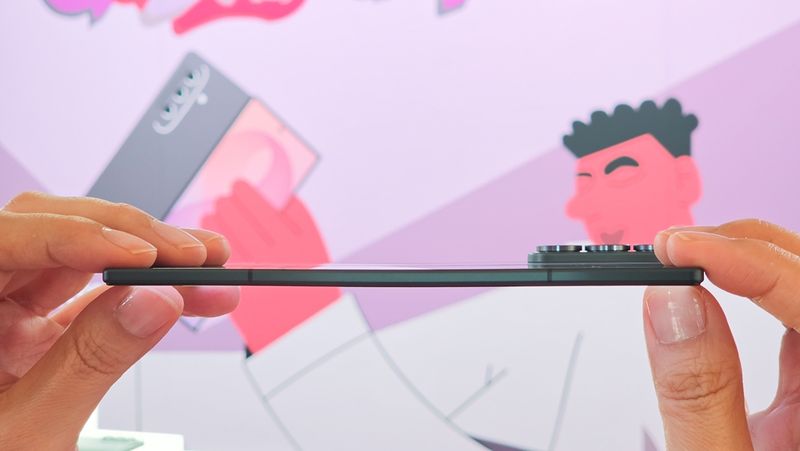
Samsung has reshuffled its foldable naming scheme in a way that will cause some initial confusion. The phone most people expected to be called the Galaxy Z Fold 8 — the direct successor to the Z Fold 7 — is now called the Galaxy Z Fold 8 Ultra. It keeps the traditional tall, slim book-style design and brings the most premium specs: 200MP main camera, 5,000mAh battery, and the series’ most capable hardware package to date.
The name Galaxy Z Fold 8 now belongs to an entirely new form factor: a shorter, wider device with a passport-style 4:3 inner display that is designed to feel more like a small tablet and less like a tall phone. GSMArena confirmed that the inner display measures 7.6 inches at a 4:3 ratio (2,448 × 1,848px), while the cover screen is 5.5 inches at 16:10 (1,248 × 1,972px). This is Samsung’s direct competitive response to the wider, more square aspect ratio expected from the Apple iPhone Fold later this year.
Galaxy Z Fold 8: the wider, tablet-first foldable
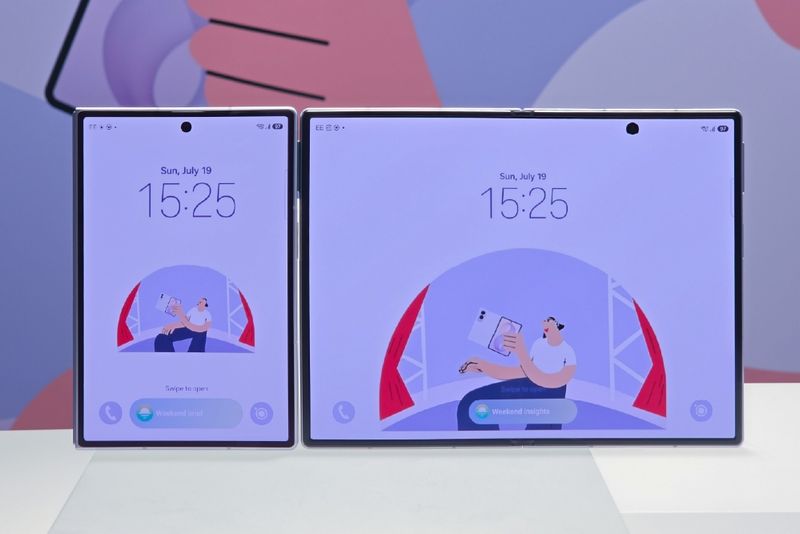
The Galaxy Z Fold 8 is the device Samsung is betting will be its best-selling Fold to date. The wider form factor makes it better suited to content consumption, social media (Instagram images fill the entire display), document editing, and S Pen tasks. Leaked dimensions put it at just 5.5mm thick when unfolded and 9.7mm when closed — impressively slim for a phone with this display area.
Under the hood: Snapdragon 8 Elite Gen 5 for Galaxy, 12GB LPDDR5X RAM (16GB on the 1TB model), and a 4,800mAh battery — a meaningful step up from last year. Starting storage is 256GB. Colours confirmed at launch are Cream, Graphite, Lavender, and a Pistachio option exclusive to Samsung.com.
The camera is where the Z Fold 8 makes a trade-off. According to confirmed specs, the standard Fold 8 ships with a 50MP main camera and 50MP ultrawide — no telephoto. For buyers coming from a Galaxy S26 or S26 Ultra who are used to 5x optical zoom, this will be a noticeable absence. Samsung appears to have made a deliberate choice to differentiate the two Fold models, reserving the triple-camera setup for the Ultra.
Pricing: leaks and early retailer listings put the base 256GB model at $1,899, with higher storage tiers expected above $2,100. Official pricing will be confirmed on the pre-order page today.
Galaxy Z Fold 8 Ultra: five-year battery frustration finally fixed
The Galaxy Z Fold 8 Ultra is the phone that Z Fold 7 owners have been waiting for. Samsung has finally broken away from the 4,400mAh battery it used for five consecutive years. The Z Fold 8 Ultra arrives with a 5,000mAh cell with 5% silicon-carbon anode content — the first Z Fold to use silicon-carbon battery technology, albeit in a limited form. Chinese competitors like the Oppo Find N6 have shipped 6,000mAh batteries in foldables for over a year; Samsung’s decision to hold back from full silicon-carbon adoption means it still trails in raw capacity, but the 5,000mAh figure should deliver all-day battery life for typical use patterns where the Z Fold 7 regularly fell short.
Camera hardware on the Ultra follows the Z Fold 7’s triple-camera direction: 200MP main shooter, 10MP telephoto, and a new 50MP ultrawide (up from 12MP). Samsung has also made camera tuning improvements consistent with the Galaxy S26 series, which suggests the real-world photo quality gap versus the S26 Ultra will narrow even with the same sensors.
The Z Fold 8 Ultra also introduces Samsung’s Flex Titanium crease-reduction technology — a new titanium plate beneath the OLED panel designed to significantly reduce the centre crease that has been the single most-cited complaint about the Z Fold line since 2019. Samsung officially showcased this technology ahead of Unpacked. Whether it truly eliminates the crease or merely reduces it will be the first thing reviewers check on hands-on units.
Pricing: Android Central reports the Z Fold 8 Ultra will start at approximately $2,099–$2,199 — a $100 price hike over the Z Fold 7, attributed primarily to the global DRAM shortage. This is consistent with the memory supply dynamics we covered last week, where SK Hynix’s $26.5B IPO signalled that memory constraints will persist into 2027.
Galaxy Z Flip 8: same great form factor, long-overdue cover screen fix
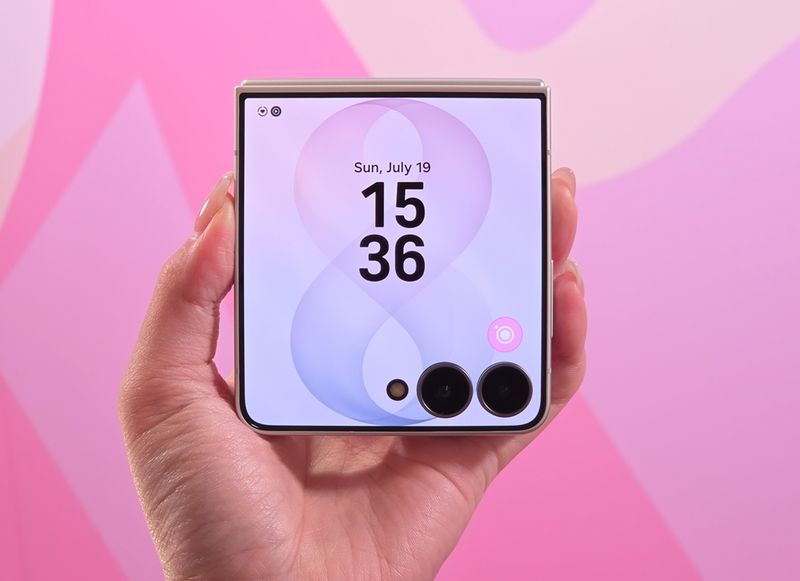
The Galaxy Z Flip 8 gets Snapdragon 8 Elite Gen 5 and hardware largely consistent with its predecessor — the form factor itself doesn’t need fixing. What Samsung has (reportedly) addressed is the cover screen. The Z Flip 7’s cover screen required Good Lock to unlock third-party app support, a workaround that left the phone feeling artificially limited compared to Motorola’s Razr line. The Flip 8 is expected to offer full native app support on the cover screen out of the box.
Expected pricing sits around $1,099 for the base model. Pre-orders open today with Samsung advertising up to $1,230 in total savings when trade-in credits and pre-order bonuses are stacked.
Galaxy Watch 9 and Watch Ultra 2: health-first, always-on
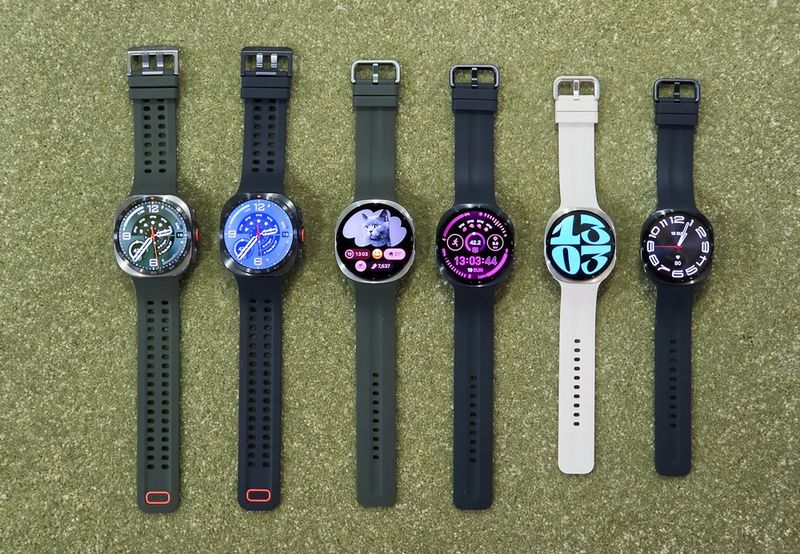
Samsung’s wearable line gets two significant updates. The Galaxy Watch 9 introduces Qualcomm’s Snapdragon Wear Elite chip — one of the first watches to do so — bringing faster on-device AI processing. Samsung is replacing the Vascular Load metric with Blood Pressure Trends, which monitors blood pressure periodically over time and surfaces habit-improvement tips. Galaxy AI will generate custom watch tiles from natural language descriptions (“Show me my sleep data for the last week”), and a new Vitals tool combines five health metrics into an Energy Score.
The Galaxy Watch Ultra 2 is the bigger upgrade: display brightness jumps to 5,000 nits (up from 3,000 nits in the original — a 67% increase), battery increases from 590mAh to 800mAh (36% more capacity), and the case earns an IP69K rating — resistant to high-pressure, high-temperature water jets at 80°C. For outdoor and fitness use, this is a meaningful durability upgrade.
Galaxy Glasses: Samsung’s first look at AI eyewear
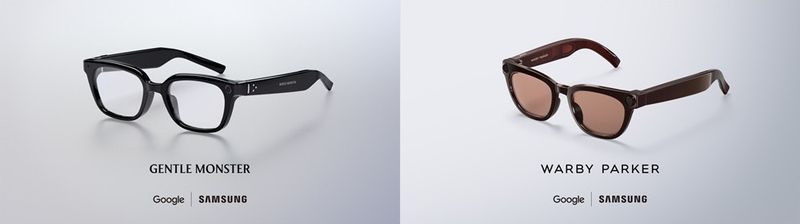
Samsung used Unpacked to give the first confirmed preview of Galaxy Glasses under the codename Jinju — an audio-first smart glasses device with no display, a 12MP camera positioned near eye level, bone-conduction audio, and Gemini AI built in. Expected pricing is $379–$499, putting it directly against Meta’s Ray-Ban lineup. The glasses run One UI XR and are reported to work with the Galaxy Ring for gesture control.
A second model, codenamed Haen, featuring a micro-LED display for AR overlays, was not announced today — Samsung appears to be holding that for a later date. The Jinju preview positions Samsung in the smart glasses category ahead of Apple’s expected entry, but the true differentiator — AR display glasses — remains a 2027 story.
It is worth noting that Galaxy AI is the connective thread across every device announced today: the phones, watches, and glasses all surface AI features through Gemini and One UI 9 running on Android 17. Multimodal AI on the cover screen, AI health coaching on the watch, and always-on Gemini in the glasses represent Samsung’s clearest statement yet that it sees AI integration — not hardware specs alone — as the long-term differentiator for its ecosystem.
Should you buy? Z Fold 8 vs Z Fold 8 Ultra vs waiting for iPhone Fold
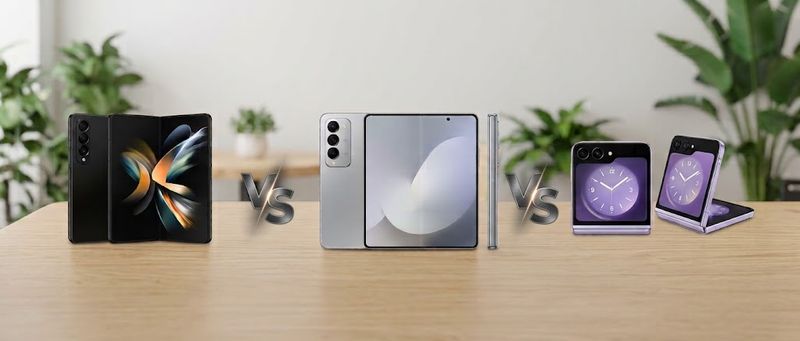
The choice between the Z Fold 8 and Z Fold 8 Ultra comes down to what you value. If you want a device that feels more like a portable tablet — better for media, productivity in landscape, and single-handed use on the cover screen — the wider Z Fold 8 at $1,899 is the case to make. If you want the best camera hardware Samsung can put in a foldable, silicon-carbon battery, and crease-reduction technology, the Z Fold 8 Ultra at $2,099 is the more complete device.
The elephant in the room is Apple’s foldable iPhone, expected at the September event. Apple’s rumoured device will share a similar wider aspect ratio to the Z Fold 8. Samsung chose London and July 22 deliberately — six weeks before Apple’s event — to establish the Z Fold 8 in retail before Apple’s announcement can steal the narrative. If you are already in the Samsung ecosystem and wanted a reason to upgrade from the Z Fold 7, the 5,000mAh battery and crease reduction on the Ultra alone may justify it. If you are evaluating foldables from outside the ecosystem, waiting until September to see Apple’s offering is a reasonable call.
Pre-orders are open now at Samsung.com with up to $1,230 in savings available through trade-in stacking. Devices ship approximately August 5–8. You can watch the full Samsung Unpacked 2026 stream on YouTube for the complete product reveals.
Specs at a glance
| Spec | Z Fold 8 | Z Fold 8 Ultra | Z Flip 8 |
|---|---|---|---|
| Chipset | Snapdragon 8 Elite Gen 5 | Snapdragon 8 Elite Gen 5 | Snapdragon 8 Elite Gen 5 |
| Inner display | 7.6” 4:3 (2,448×1,848) | 7.6” (taller ratio) | 6.9” AMOLED |
| Cover display | 5.5” 16:10 | 5.5” bezel-less | 3.9” |
| Battery | 4,800mAh | 5,000mAh (5% Si-C) | ~3,900mAh |
| Main camera | 50MP | 200MP | 50MP |
| Ultrawide | 50MP | 50MP (up from 12MP) | 12MP |
| Telephoto | None | 10MP | None |
| RAM | 12GB LPDDR5X | 12/16GB LPDDR5X | 12GB |
| Start price (est.) | ~$1,899 | ~$2,099 | ~$1,099 |
| Ship date | Aug 5–8 | Aug 5–8 | Aug 5–8 |
The Day Current covers tech news, reviews, and buying guides. Browse all Phone coverage →